
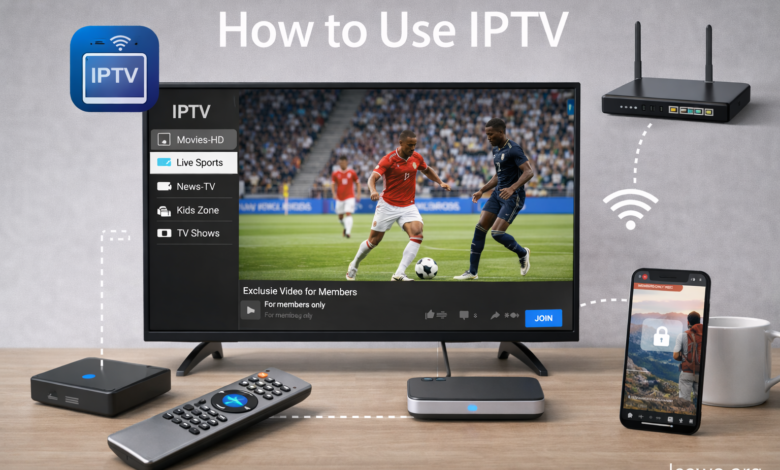
IPTV streaming has revolutionized television viewing, offering thousands of channels and on-demand content through your internet connection. Whether you’re considering cutting the cord or exploring alternatives to expensive cable packages, understanding how IPTV works and how to use IPTV effectively transforms your entertainment experience. This practical guide covers everything from initial setup to optimizing streaming quality, helping you navigate the world of Internet Protocol Television with confidence.
What You Need Before Using IPTV
Before diving into IPTV setup, ensure you have essential requirements. A stable internet connection is crucial, with at least 25 Mbps for HD streaming and 50 Mbps or higher for 4K content. Wired ethernet connections provide more stability than Wi-Fi, reducing buffering significantly.
You’ll need a compatible device such as a Smart TV, streaming box (Firestick, Roku, Apple TV), Android TV device, computer, or smartphone/tablet. Most modern devices support IPTV applications. An IPTV subscription from a reputable provider is necessary, which typically includes login credentials like username and password, an M3U playlist URL, or Xtream Codes API details.
Finally, consider a VPN for privacy and security when using IPTV services. VPNs encrypt your connection and can help avoid ISP throttling that slows streaming speeds.
Common IPTV Types You’ll Encounter
Understanding different IPTV types helps you know what to expect from your service. Live TV IPTV services stream channels in real-time, just like traditional cable, including news, sports, entertainment, and international channels. This is the most popular IPTV format, offering the familiar channel-surfing experience.
Video on Demand (VOD) IPTV provides libraries of movies and TV shows you can watch anytime, similar to Netflix or Hulu. Most comprehensive IPTV services include extensive VOD catalogs alongside live channels. Catch-up TV and time-shifted IPTV let you watch programs that aired hours or days ago, perfect when you miss live broadcasts. This feature typically stores content for 3-7 days.
Private vs public IPTV services differ significantly. Private services require paid subscriptions and offer reliable, higher-quality streams with customer support. Public IPTV services are free but often unstable with frequent buffering, limited channels, and potential legal concerns.
How to Set Up IPTV on TV or PC?
1. Set Up IPTV on Smart TV
For Samsung Smart TVs, navigate to the Apps section and search for “Smart IPTV” or “SS IPTV”. Install your chosen app and open it. The app displays a unique code on screen. On your computer or phone, visit the activation website shown (typically siptv.eu/mylist). Enter the displayed code and your M3U playlist URL provided by your IPTV service. After a few minutes, restart the app on your TV and your channels will load.
For Android Smart TVs, open the Google Play Store and search for “IPTV Smarters Pro” or your provider’s recommended app. Install and open the app, then select “Login with Xtream Codes API” or “Add Playlist”. Enter the username, password, and URL provided by your IPTV service. Click “Add User” and your channels will populate automatically.
2. Set Up IPTV on PC
Download IPTV software for your computer. Popular options include IPTV Smarters Pro (available for Windows and Mac), VLC Media Player (free and supports M3U playlists), or Kodi with IPTV add-ons. Install your chosen application and launch it.
For IPTV Smarters, click “Add New User” and select your login method (Xtream Codes or M3U URL). Enter credentials from your provider and save. For VLC Media Player, go to Media, Open Network Stream, paste your M3U URL, and click Play. VLC will load your channel list automatically.
See also: Corporate Market Intelligence Assessment for 8333553124
How to Watch Live TV, VOD, and Catch-Up Content
Once setup is complete, navigating IPTV is straightforward. For live TV, browse your channel list organized by categories like Sports, News, Entertainment, Movies, and International. Click any channel to start streaming immediately. Most apps include an Electronic Program Guide (EPG) showing current and upcoming programs, making channel surfing familiar.
Access VOD content through the Movies or Series section in your IPTV app. Browse by genre, release year, or use the search function. Select any title to stream instantly. Catch-up TV appears in dedicated catch-up menus or alongside live channels with a clock icon, allowing you to rewind and watch programs from previous days.
Create favorites lists by long-pressing channels or titles to add them for quick access. This customization dramatically improves navigation when dealing with thousands of channels.
Tips to Improve IPTV Streaming Quality
1. Check Internet Speed and Connection Stability
Test your internet speed regularly using Speedtest.net. If speeds fall below minimum requirements, contact your ISP or upgrade your plan. Connect your streaming device directly to your router using an ethernet cable whenever possible, eliminating Wi-Fi interference that causes buffering.
If Wi-Fi is necessary, ensure your router supports the 5GHz band for faster speeds and place your streaming device close to the router. Reduce network congestion by disconnecting unused devices and closing bandwidth-intensive applications during streaming.
2. Optimize IPTV App and Device Settings
Update your IPTV app regularly to benefit from performance improvements and bug fixes. Enable hardware acceleration in app settings if available, leveraging your device’s GPU for smoother playback. Adjust video quality settings based on your connection, selecting lower quality if buffering occurs frequently.
Configure your EPG correctly by entering the EPG URL provided by your IPTV service. A properly functioning EPG enhances your viewing experience with accurate program information.
3. Reduce Buffering and Playback Issues
If buffering persists despite optimization, consider building an offline media library. Tools like CleverGet allow you to download content from various streaming services for your personal media server’s library. This approach eliminates buffering entirely for saved content.
For instance, you can download Hulu videos and other streaming content to watch offline without connection requirements. Building a personal media library ensures uninterrupted viewing and serves as backup entertainment when internet issues occur.
Clear your IPTV app cache regularly through device settings to remove corrupted temporary files. Restart your streaming device and router weekly to refresh connections and clear memory.
Conclusion
Learning how to get IPTV and use it effectively opens up a world of entertainment possibilities. From understanding different IPTV types to setting up services on various devices and optimizing streaming quality, this guide provides everything needed to transform your viewing experience. IPTV offers flexibility, cost savings, and content variety that traditional cable cannot match. By following these practical steps, addressing common issues proactively, and implementing optimization tips, you’ll enjoy seamless streaming across all your devices. Whether you’re watching live sports, binge-watching series through VOD, or catching up on missed programs, IPTV puts control firmly in your hands.


