
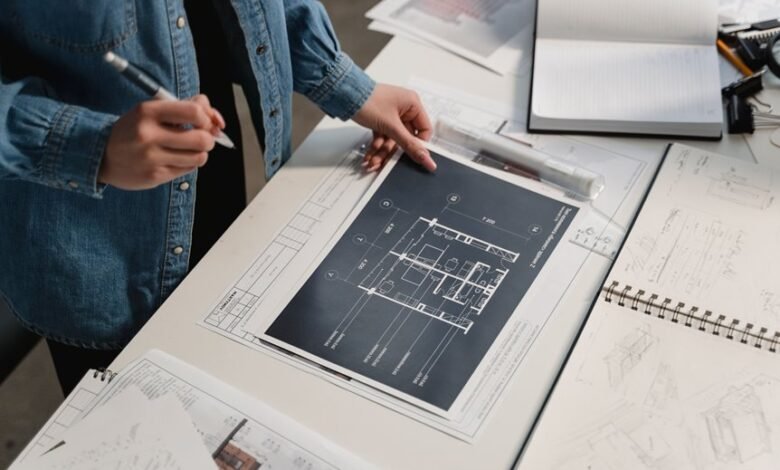
The discussion on landscape composition planning begins with a clear vision and grounded context. Teams assess site forces—sightlines, climate, and connectivity—to frame opportunities and constraints. A deliberate layering of form, function, and seasonal interest guides decisions about materials, plants, and maintenance. The aim is balance and ecology, with accessibility and future growth embedded. The approach invites collaboration and yields a coherent narrative, leaving a path to explore further implications and adaptive strategies.
Clarify the Landscape Vision and Context
Clarifying the landscape vision and context sets the foundation for a cohesive design process.
The approach centers on a collaborative, precise examination of aspirations and limits, aligning teams toward shared vision goals.
Context boundaries are identified to frame opportunities and constraints, enabling adaptive decisions.
This disciplined clarity empowers designers to weave function, beauty, and freedom into resilient landscape narratives.
Analyze Site Forces: Sightlines, Climate, and Connectivity
Analyzing site forces—sightlines, climate, and connectivity—requires a precise, collaborative assessment that informs every design choice.
The discourse examines sightline dynamics as threads shaping perception, while climate impact guides material, orientation, and resilience.
Connectivity emerges as a framework for circulation and emotional flow.
This disciplined inquiry empowers designers to craft liberated spaces that harmonize function, beauty, and enduring, adaptable visions.
Layer Structure: Form, Function, and Seasonal Interest
Layer structure organizes landscape into discrete, interlocking strata of form, function, and seasonal interest, guiding how a space is perceived, used, and renewed across time.
The approach envisions a cohesive system where form function aligns with ecological balance, seasonal interest thriving through adaptive, layered design.
Maintenance accessibility ensures ongoing stewardship, enabling collaboration, freedom, and clear, shared progress across diverse landscapes.
Choose Materials and Plants for Balance and Ecology
Choosing materials and plants for balance and ecology hinges on aligning structural intent with environmental context; this requires a precise assessment of site conditions, climate, soil, and water flows to select options that complement, rather than compete with, native ecosystems.
A collaborative inquiry emerges: choose materials carefully, balance ecology, choose plants that harmonize with local processes, sustaining freedom and vitality.
Plan for Maintenance, Accessibility, and Future Growth
Plan for Maintenance, Accessibility, and Future Growth envisions a landscape that remains coherent and functional over time by aligning upkeep strategies with anticipated demand, accessibility needs, and evolving ecological conditions. It emphasizes proactive maintenance schedules, scalable interventions, and collaborative stewardship. The result is enduring usability, equitable access, and adaptable form, guided by transparent decision-making and collective responsibility for sustainable growth and freedom of expression.
Frequently Asked Questions
How Do I Measure Actual Maintenance Time for This Plan?
A pragmatic answer: measuring maintenance time requires logging tasks, durations, and contingencies; time estimation evolves through benchmarks, collaboration, and iteration. The planner documents baseline hours, tracks deviations, and refines future forecasts with visionary, precise input from the team.
What Are the Cost Implications of Long-Term Plant Replacements?
Cost implications consider long term replacements, conveying careful cycles and consistent costs. The planner projects progressive expenses, balancing budgetary burdens with sustainable stewardship; collaborators foresee future flora adjustments, financing flexible futures, and fostering freedom through thoughtful, precise horticultural planning.
How Can I Adapt the Design to Changing Climate Zones?
Adaptation strategies guide designers toward climate-responsive design, enabling resilient landscapes that evolve with shifting zones. The approach emphasizes collaboration, foresight, and flexibility, empowering practitioners to implement adaptive plantings, modular systems, and ongoing monitoring within a visionary, freedom-forward framework.
What Legal or HOA Constraints Could Affect Implementation?
“Law bends like a river,” the planner notes: legal constraints and HOA restrictions shape feasibility. The approach emphasizes collaborative navigation, visionary yet precise, ensuring freedom within compliance for adaptable landscape composition planning.
How Will User Behavior Influence Long-Term Success?
User behavior shapes long term success, influencing adaptability, maintenance, and engagement. The approach envisions collaborative stewardship, data-informed adjustments, and freedom to experiment, ensuring resilient landscapes that evolve with community needs while preserving ecological and aesthetic values for future generations.
Conclusion
In the end, the landscape is a shared inquiry: a vision clarified, forces measured, and layers harmonized. By testing assumptions against site truth—sightlines, climate realities, connectivity—we craft a narrative that is precise yet expansive. The plan remains collaborative, inviting ongoing critique and adaptation, so form supports function and seasonal rhythm without ossification. With balanced materials, ecological stewardship, and clear maintenance pathways, the landscape endures as a living, future-ready expression of place.


