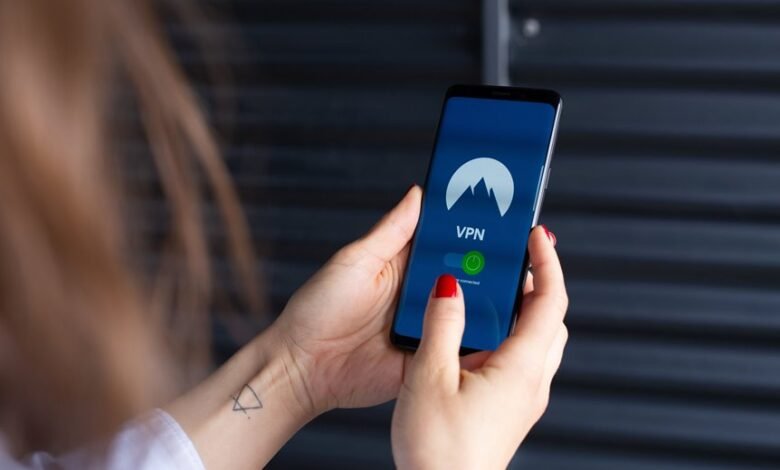
A VPN provides a secure, encrypted tunnel for data when traveling, maintaining access and privacy on unfamiliar networks. Public Wi‑Fi in hotels, airports, and cafes can expose credentials and enable impersonation. A reliable VPN fights these risks with strong encryption, a no‑logs stance, and independent audits. Travelers should preinstall trusted clients and plan configurations for movement. The essentials set the stage, but practical steps and common pitfalls demand careful attention as circumstances change.
What a VPN Does for Travelers
A VPN helps travelers protect their online activities and access the resources they need while away from home. It creates a secure tunnel that shields data from interception and monitors, enabling consistent access to services abroad.
VPN encryption mitigates risk on unfamiliar networks, while recognizing public Wi Fi risks. This combination preserves privacy, autonomy, and seamless digital freedom on the move.
Why Hotels, Airports, and Public Wi‑Fi Are Risky
Public networks in hotels, airports, and other public spaces present systemic risks to travelers. Public Wi‑Fi can expose data to eavesdroppers, enable impersonation, and complicate identity verification. Data collection and device tracking may occur across networks, increasing exposure beyond intention. Awareness of these realities supports safer habits, informed decisions, and resilient privacy—without sacrificing necessary access while on the move.
How to Choose a Reliable VPN on the Road
Choosing a reliable VPN while traveling requires evaluating options quickly and objectively, focusing on security, performance, and transparency. A clear criterion is essential: trustworthy providers with robust encryption, a no-logs policy, and independent audits. Compare platforms, jurisdictions, and concurrent connections. Seek straightforward kill switches and reliable customer support. The goal is informed, flexible connectivity, supporting unrestricted, on the road selection, without compromising privacy or speed.
Practical Setup: Quick-Start Steps for Travelers
Travelers can set up a VPN quickly by pre-installing trusted clients, configuring essential settings, and validating connections before departure. The process emphasizes minimal setup time with reliable options, ensuring ongoing travel security. Once active, monitor post-connection behavior and update credentials as needed. Emphasize device hardening and routine app reviews to sustain privacy, control access, and preserve freedom while roaming.
Common Pitfalls and How to Avoid Them
VPN use while traveling introduces several common pitfalls that can undermine security and privacy if unaddressed. Informed travelers should avoid the wrong topic and remain focused on legitimate protections, such as trusted providers and verified networks. Awareness prevents roaming charges from sneaking in, while battery life considerations ensure constant protection. Preparedness supports freedom without compromising safety or privacy.
Frequently Asked Questions
How Does a VPN Affect Internet Speed While Traveling?
VPN speed tests show modest slowdowns due to encryption overhead and longer routing; however, performance remains usable. VPN encryption impact varies by protocol and distance, while travel conditions affect latency. Users seeking freedom should test connections locally.
Can Airports Block VPN Usage or Throttle Traffic?
Prohibited? Not always, but airports can block or throttle VPNs. Airline Wi Fi policies vary; regional censorship checks may trigger restrictions. This reality underscores the need for awareness, caution, and lawful, freedom‑minded internet use while traveling.
Is a Free VPN Safe for Travelers?
A free VPN is not inherently safe for travelers; it may compromise privacy and introduce malware or data logging. For travel safety, rely on reputable paid services with transparent policies, robust encryption, and independent audits rather than free alternatives.
Do I Need Different VPNS for Different Countries?
Yes, one VPN can suffice, but users often benefit from multiple vpn servers across different countries. This widens access, improves speed, and preserves choice when encountering regional restrictions. Different countries may require switching servers for optimal results.
How Do I Verify a Vpn’s Privacy Policy and Logs?
To verify privacy policy, one should read the provider’s terms, request vendor audits, and review jurisdiction. The process includes assessing audit log retention, data handling disclosures, and retention periods to ensure alignment with user freedom and expectations.
Conclusion
In short, a VPN is a traveler’s safeguard, preserving privacy and access on unfamiliar networks. It encrypts data, shields identities, and helps navigate geo-restrictions with confidence. Hotels, airports, and public Wi‑Fi pose persistent risks, making reliable VPN use essential for both security and autonomy. By selecting a trustworthy provider and staying vigilant, travelers can move about the world with the same control they enjoy at home. Like a trusted compass, a VPN keeps directions clear and secure.